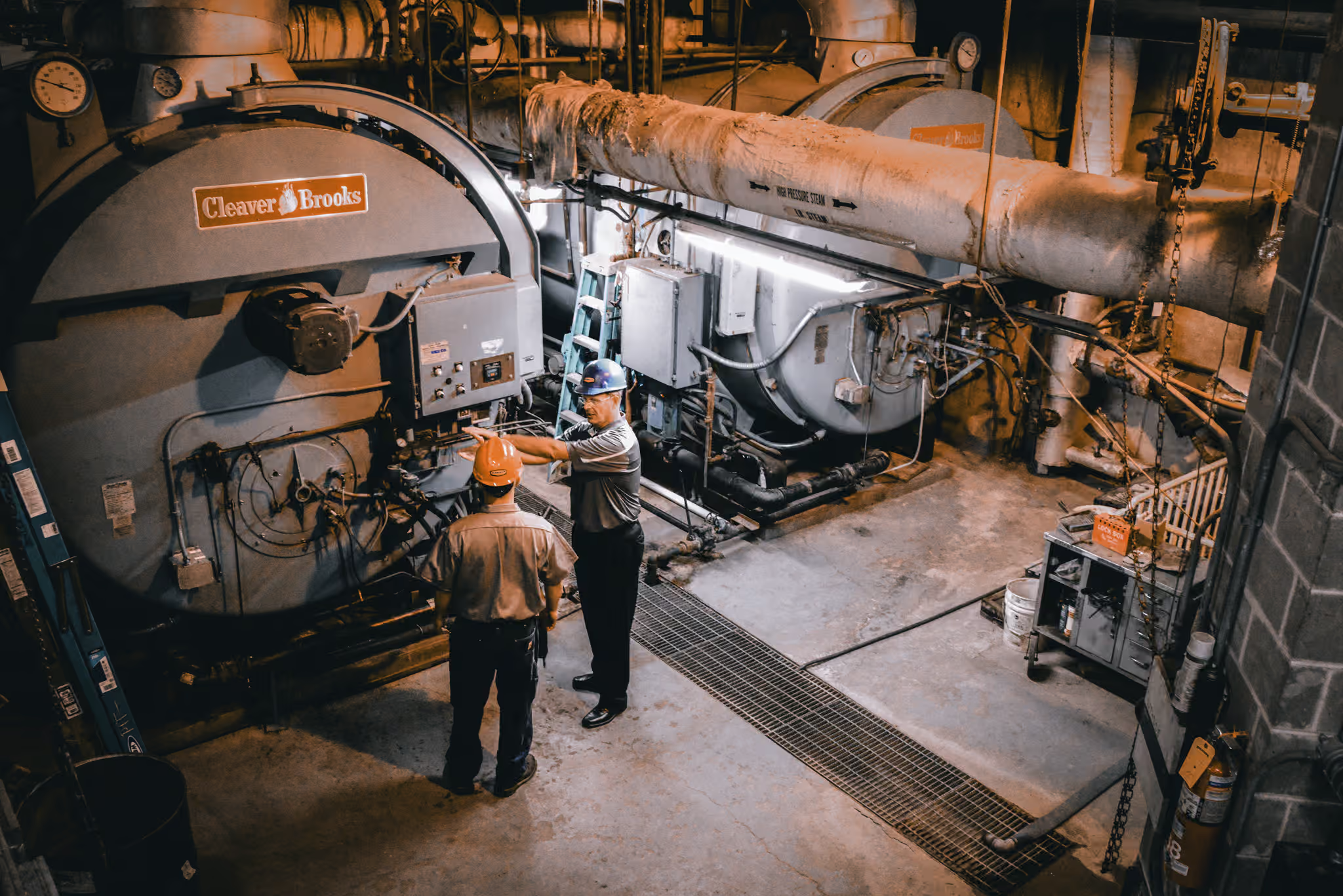
Boiler rooms power critical systems in commercial and industrial facilities—from heating buildings to supporting manufacturing processes. Because of the high temperatures and pressures involved, boiler rooms must meet strict safety codes and standards to ensure safe and efficient operation. However, during inspections and service visits, technicians frequently encounter the same boiler room code violations over and over again. Many of these issues are simple to fix but can create serious safety risks if left unaddressed, potentially causing boiler leaks, low boiler pressure, or even boiler failure.
Below are some of the most common boiler room code violations, why they matter, and what facility managers should watch for to maintain compliance and avoid costly boiler repair.
1. Combustion Air Issues
One of the most common boiler room problems involves inadequate combustion air. Boilers, water heaters, and other fired equipment rely on a proper mixture of fuel and fresh air to burn safely and efficiently. If the room does not have enough fresh air available, several boiler issues can occur, including poor combustion efficiency, excess soot formation, and the boiler running “rich.” These conditions can cause draft issues and backdrafting from nearby equipment, as well as negative pressure in the boiler room. The NFPA 54 fuel gas code outlines the required air openings that allow fresh air into the boiler room. Unfortunately, these openings are often blocked, closed, or improperly installed, restricting proper air flow and affecting the boiler’s efficient operation. This inadequate air supply can restrict water flow and cause uneven heating, leading to boiler problems such as low pressure and strange noises. Proper combustion air is essential to provide heat and hot water efficiently and safely. Regular boiler maintenance should include checking that combustion air openings remain unobstructed to avoid these common boiler issues.
Best practice: Always ensure combustion air openings remain unobstructed and comply with NFPA 54 requirements to prevent boiler problems and maintain peak performance.
A Common Sign of Combustion Air Problems
If the boiler room door is difficult to open, it may indicate negative pressure caused by insufficient combustion air. This happens when the boiler pulls air from the room faster than it can be replaced.Facilities sometimes close louvers or dampers to prevent cold air from entering the building—but doing so can create serious combustion problems.
Best practice:
Always ensure combustion air openings remain unobstructed and comply with NFPA 54 requirements.
2. Missing Emergency Stop (E-Stop) Switches on Boiler Systems
Another frequently missed safety requirement is the emergency stop switch (E-stop).
Boiler codes typically require an E-stop located outside each entrance to the boiler room. This allows operators or maintenance personnel to quickly shut down the boilers during an emergency.
Why This Matters
Imagine a gauge glass failure on a steam boiler that fills the room with hot steam. In that situation:
Entering the boiler room could be dangerous
Accessing the boiler control panel may be impossible
An E-stop outside the room allows the system to be shut down safely without entering the hazardous environment.
Common Mistake
When a boiler room has multiple doors, installers sometimes place the E-stop on only one door. Code generally requires an E-stop at every entrance.
3. Missing Carbon Monoxide Detectors
Many jurisdictions now require carbon monoxide (CO) detectors in boiler rooms due to the dangerous nature of carbon monoxide—a colorless, odorless gas produced during combustion. If flue gases leak into the boiler room because of improper venting or equipment malfunction, CO can quickly reach hazardous levels. Installing a properly functioning CO monitor is essential as it detects dangerous levels early, alerts personnel in the area, and helps prevent potential poisoning incidents. Despite this critical safety measure, many boiler rooms still lack carbon monoxide monitoring, making it vital for facility managers to ensure compliance with safety codes and protect against this common boiler issue.
4. Incorrect Valve Materials Installed on the Boiler
Valve replacement may seem straightforward, but boiler codes are very specific about which materials can be used on the boiler proper. The boiler proper typically refers to the first valve from the boiler or the second valve on systems such as steam lines, blowdown lines, and feedwater connections. A common boiler issue arises when 304 or 316 stainless steel valves are installed in these critical locations. Although stainless steel is often considered durable, it is susceptible to stress corrosion cracking caused by chlorides, which can lead to sudden valve failure. Because of this risk, boiler codes strictly prohibit stainless steel valves on the boiler proper to ensure safe and efficient operation. When replacing valves on a boiler system, it is essential to work with a knowledgeable supplier or a registered boiler engineer who understands boiler technology and code requirements to avoid common boiler problems such as leaks or pressure issues. Proper valve selection helps maintain boiler pressure, prevent water leaks, and ensure the boiler operates at peak performance, ultimately extending the lifespan of your heating system and saving you money on costly repairs.
Why Stainless Steel Is Not Allowed
Although stainless steel is often considered durable, it can be susceptible to stress corrosion cracking caused by chlorides. When this occurs, the valve may fail suddenly and without warning.
Because of this risk, boiler codes prohibit stainless steel valves on the boiler proper.
The Takeaway
When replacing valves on a boiler system, always work with a knowledgeable supplier or experienced boiler technician to ensure the correct materials are used.
5. Incorrect Safety Valves Causing Boiler Problems
Safety valves, also known as pressure relief valves, are among the most critical safety devices on any boiler system. A frequent issue arises when a safety valve designed for ASME Section VIII pressure vessels is mistakenly installed on an ASME Section I boiler. Although these valves may appear similar, their relief capacity calculations differ significantly.
Using an incorrectly rated safety valve can lead to insufficient pressure relief during an overpressure event, causing serious boiler issues such as pressure buildup and potential water leaks. This not only compromises the boiler’s safe operation but can also result in the boiler being red-tagged during inspections.
To ensure the boiler operates safely and efficiently, always verify that safety valves are properly rated for the specific boiler application and installed according to the boiler manufacturer's instruction manual. Regular inspection of the boiler’s pressure gauge shows whether the pressure relief valve is functioning correctly, helping to prevent dangerous pressure conditions and avoid costly boiler repairs or emergency shutdowns.
6. Piping Extensions Installed Under Safety Valves
Another mistake occasionally seen in boiler rooms is installing pipe extensions between the boiler and the safety valve. For example, someone may add a short piece of pipe—perhaps a foot long—and then mount the safety valve onto that pipe. This practice is problematic because boiler codes place strict limits on the piping between the boiler and the safety valve to prevent pressure drop that can interfere with valve performance. Excessive pressure drop may cause the valve to lift prematurely, re-seat repeatedly (known as valve chatter), or fail to relieve the full rated capacity, potentially allowing the boiler to over-pressurize and creating a serious safety hazard. Therefore, the best practice is to install safety valves directly on the boiler connection whenever possible.
Why This Is a Problem
Boiler codes place strict limits on the piping between the boiler and the safety valve because pressure drop can interfere with valve performance.
If too much pressure drop occurs, the valve may:
Lift prematurely
Re-seat repeatedly (known as valve chatter)
Fail to relieve the full rated capacity
This could allow the boiler to over-pressurize, creating a serious safety hazard.
Best practice:
Install safety valves directly on the boiler connection whenever possible.
7. Gauge Glass Valves That A
re Too High to Reach
The final issue seen fairly often involves gauge glass valves that are mounted too high above the floor. If a gauge glass valve is more than 7 feet above the floor, boiler codes require chain handles so operators can actuate the valves from ground level. This ensures quick and safe access to the valve, which is critical for isolating the gauge glass in case of leaks or failures. Proper valve accessibility helps prevent safety hazards such as burns from hot water or steam, slips, and falls. It also supports efficient boiler operation by allowing operators to respond promptly to issues, maintaining peak performance and avoiding costly boiler repair. Ensuring compliance with these requirements is part of regular boiler maintenance and helps avoid common boiler problems related to gauge glass valves and pressure relief valves.
Why Accessibility Matters
If the gauge glass begins leaking or fails, operators must be able to quickly isolate the valve.
Climbing a ladder near a leaking gauge glass exposes personnel to:
Hot water or steam
Burn hazards
Slips and falls
Adding chain-operated valves allows operators to shut off the gauge glass safely from the floor.
Why Boiler Room Code Compliance Matters
Many boiler room code violations may seem minor but can lead to serious boiler issues if left unaddressed. Proper compliance is essential for:
Operator safety
Equipment reliability
Successful inspection outcomes
Boiler efficiency and peak performance
Ensuring regular boiler maintenance and promptly addressing common boiler problems such as low boiler pressure, gas supply interruptions, and water leaks in the boiler tank can prevent costly repairs and extend the lifespan of your boiler system. Monitoring critical components like the condensate pipe, which carries condensate to an external drain, and the pressure relief valve helps maintain optimal water flow and prevents boiler failure scenarios. It is crucial to work with a registered boiler engineer for routine inspections, servicing, and repairs to keep your heating system operating properly. This reduces the risk of unusual noises, thermostat issues, frozen condensate pipe problems, and other common boiler issues, ensuring your boiler provides reliable heat or hot water when needed.