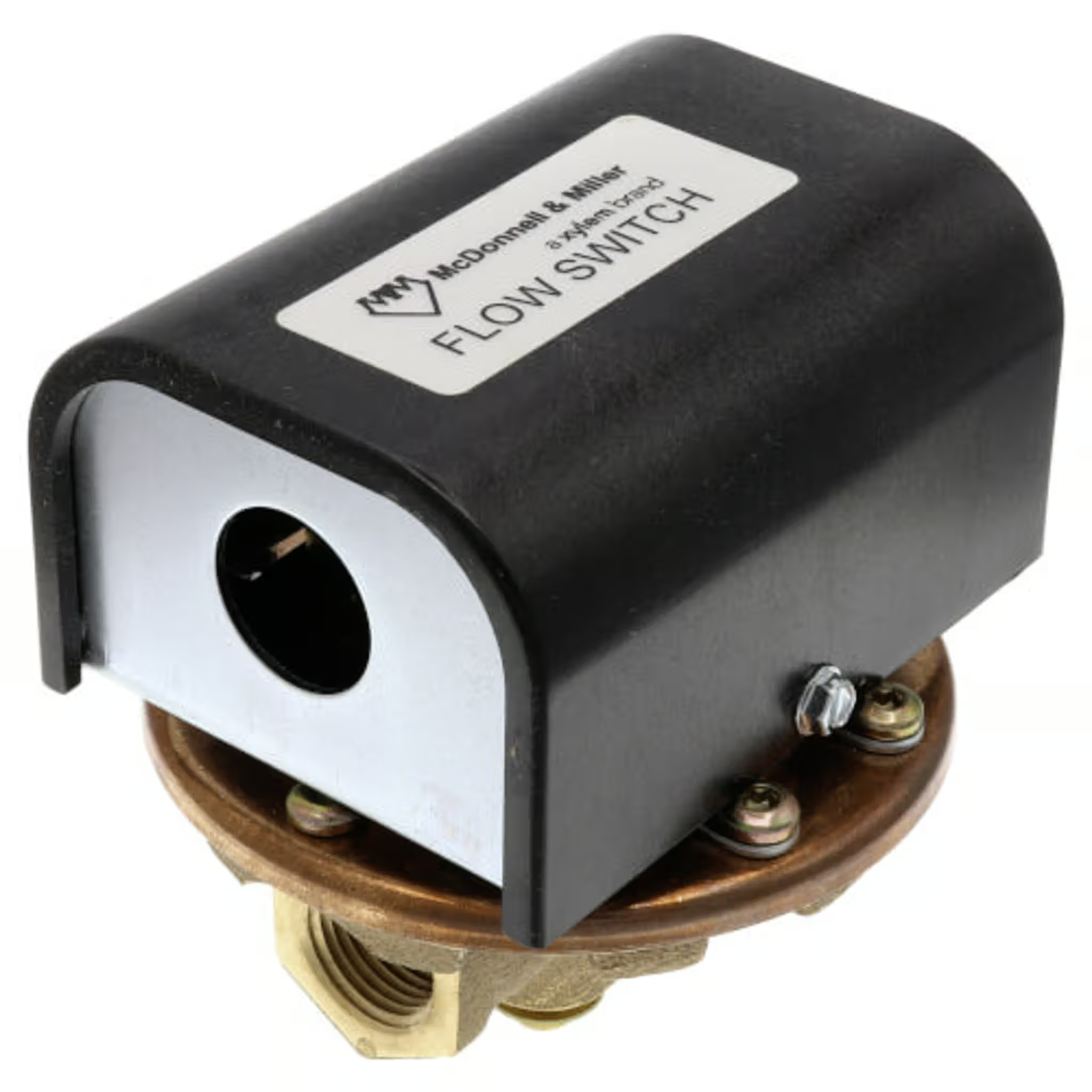
When it comes to protecting a boiler, the low water cut-off is one of the most important safety devices you’ll find. McDonnell & Miller’s float-type controls — especially the common Series 150S and 157S — are designed to keep boilers from operating under dangerously low-water conditions. When these devices are maintained properly, they prevent some of the costliest and most dangerous boiler failures.
Here’s a practical look at the major safety concerns, what the manufacturer expects for routine checks, and why replacing the head mechanism every 5 years is so important.
Why the Float Switch Is a Critical Safety Device
A float-type LWCO constantly monitors water level. When levels drop too low, it shuts the burner down. It’s a simple function, but if the device fails, you lose that last line of defense against dry-firing — which can cause:
Overheated tubes
Warped metal
Pressure vessel damage
Catastrophic failure in severe situations
Most failures come down to preventable issues like sludge buildup, stuck floats, worn mechanical parts, Collapsed or water logged float, or corrosion inside the float chamber.
Daily & Routine Checks
McDonnell & Miller is very specific about testing frequency:
Daily Blow-Down (Steam > 15 psi)
For higher-pressure steam boilers, a blow-down should be performed every day while the boiler is operating.
If this is a problem because you ‘can’t shut down’ then talk to us about a shunt button to allow testing and cleaning this device without tripping the boiler.
For boilers operating under 15 psi, weekly testing may be acceptable, but many facilities still test daily to be safe.
Go slowly to prevent ‘hammering’ or ‘bouncing’ the float as this can damage the float itself, or the mechanism that holds it. Abusing the unit will require premature replacement.
Annual Inspection
At least once per year, the float chamber and head assembly should be opened and inspected. This includes:
· Removing sediment
· Cleaning the chamber and equalizing piping
· Checking the float, arms, springs, and contacts
· Ensuring nothing is sticking or corroded
In facilities with poor water quality, heavy makeup water, or aggressive chemicals, more frequent inspection may be needed.
Handling
When removing the head, be careful not to bend or warp the flat spring steel that holds the float. The float is held in balance by somewhat delicate parts that, if mishandled, will bend causing the linkages to bind such that the unit will not ‘trip’ when it is supposed to.
The Manufacturer’s 5-Year Replacement Rule
One of the most overlooked maintenance items is the full replacement of the head mechanism every 5 years. Even if the LWCO looks clean and seems to work during testing, internal parts fatigue over time.
Springs weaken, contacts wear, floats take on water, and mechanical linkages can lose reliability. After years of thermal cycling, it’s simply smart practice — and a manufacturer recommendation — to replace the assembly before it becomes a liability.
In harsh conditions, replacement may need to happen even sooner. Be sure to mark the install date on any new unit you install so it will be easy to remember when 5 years has passed.
Common Issues Technicians Watch For
During routine testing or inspections, technicians should pay attention to:
Slow or sticky float movement
Water-logged or damaged floats
Heavy sludge or scale inside the chamber
Bent float arms or fatigued springs
Pitted or corroded contacts
Any of these can prevent the LWCO from shutting down the burner when it matters most.
If the float requires it be wiggled, jarred, or hit with a wrench to make it trip, this is a giant RED FLAG. Seriously, some facilities think this is normal. It is actually a sign that the head should be replaced.
Why Staying Ahead of Maintenance Matters
Low water cut-offs prevent some of the most dangerous boiler events. Many boiler incidents happen not because the device was poorly designed — but because it was inadequately tested, poorly cleaned, or not replaced on the schedule the manufacturer recommends.
Following the daily check routine, annual inspection, and 5-year head replacement timeline reduces risk, improves reliability, and helps facilities stay compliant with NBIC and state standards.