Commercial boiler installation can be a complex process that requires a high level of expertise and knowledge. Commercial boilers are used in a wide range of applications, such as heating systems, power generation, and manufacturing. Finding a quality boiler supplier and ensuring proper installation of a commercial boiler is essential to ensure safe and efficient operation, as well as compliance with local and national regulations.
Boiler Selection
The first step in a commercial boiler installation is to determine the appropriate size and type of boiler. This involves taking into consideration factors such as the required heat output, the operating pressure and temperature, and the fuel type. It is important to consult with a professional with experience in commercial boiler installation to ensure you select the correct boiler.
Heat output: The heat output required for the application must be determined. This will depend on factors such as the size of the building, number of people using the space, and the type of heating system. It is important to select a boiler that can provide the appropriate amount of heat output to meet the needs of the application.
Operating pressure and temperature: The operating pressure and temperature of the boiler must also be taken into consideration. Factors such as the type of heating system, fuel type, and the size of the building need to be accounted for.
Fuel type: The fuel type of the boiler is also a key consideration. Boilers can run on various fuel sources, such as natural gas, propane, oil, or electricity. The availability and cost of the fuel source must be taken into account when selecting a boiler.
Boiler efficiency: The efficiency of the boiler is an important consideration. More efficient boilers can result in lower fuel costs and reduced greenhouse gas emissions. The AFUE (Annual Fuel Utilization Efficiency) rating is a measure of a boiler’s efficiency. The higher the AFUE rating the more efficient the boiler is.
Compliance with regulations: The selected boiler must comply with local and national regulations and codes, including safety and emissions standards.
Cost: The cost of the boiler, including installation, must be considered in relation to the budget available.
Next Steps
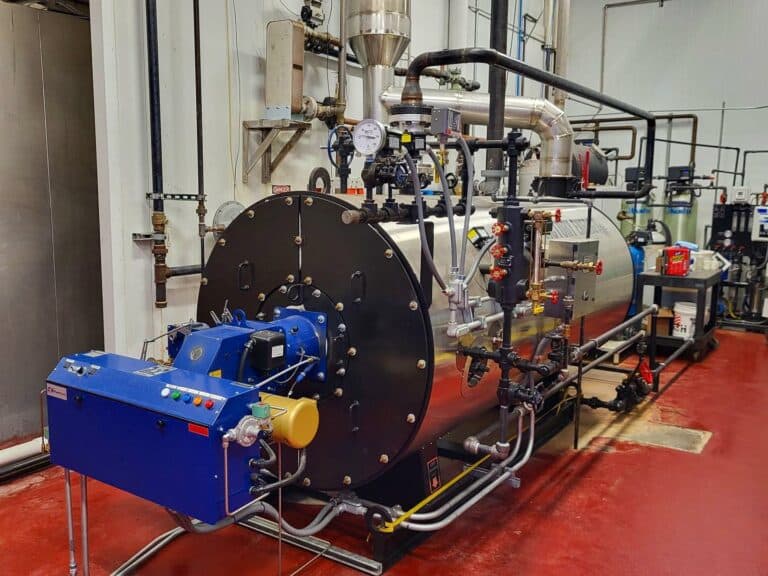
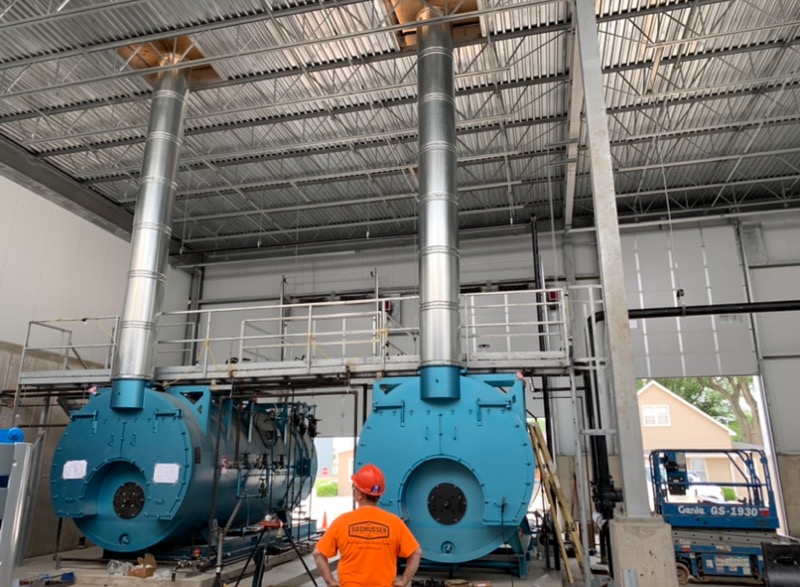
Once the appropriate boiler has been selected, the next step is to prepare the site for installation. This includes ensuring that there is sufficient space for the boiler and any associated equipment, such as pumps, valves, and heat exchangers. It is also important to check that the site has adequate access for delivery and installation of the boiler.
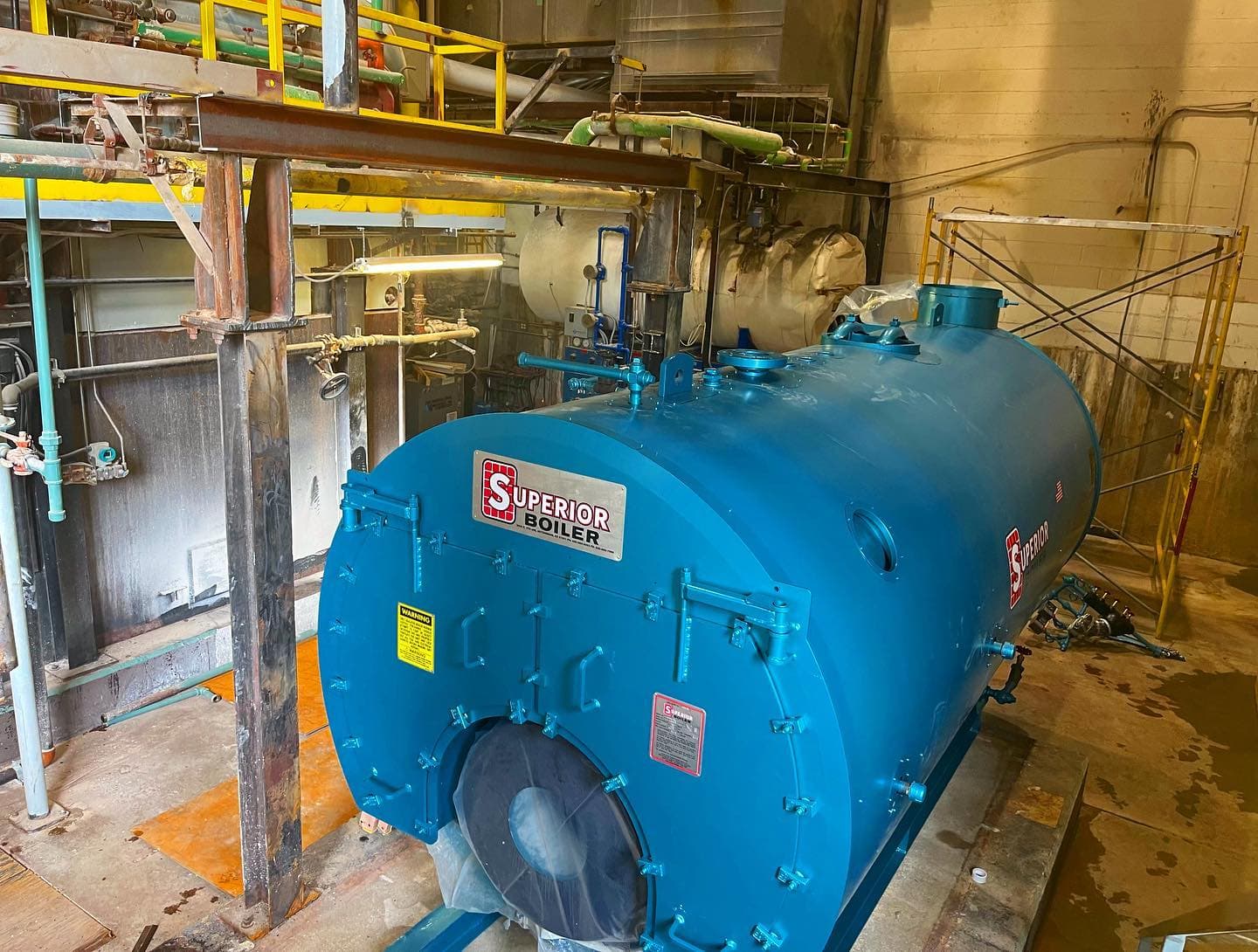
The next step is to install the boiler itself. This involves properly positioning the boiler and connecting it to the fuel source, as well as connecting it to the heating system. It is important to ensure that all connections are properly sealed and that the boiler is level to avoid any potential issues with operation.
The final step is to commission the boiler, which involves testing the boiler to ensure that it is operating correctly and safely. This includes conducting a series of tests to check the boiler’s performance. This includes pressure and temperature tests, as well as checking for any leaks or other issues. It is important to ensure that the boiler is operating within the manufacturer’s specified guidelines.
It is important to note that only a professional licensed contractor should perform a commercial boiler installation. Our boiler installation team proudly serves Omaha, NE , Denver, CO, Littleton, CO, Centennial, CO, Council Bluffs, IA, Sioux City, IA, Des Moines, IA, Storm Lake, Rapid City, SD, Sioux Falls, SD, Vermillion,SD, Kearney, NE, North Platte, NE, Lincoln, NE, Fremont, NE, Grand Island, NE, Hastings, NE, Boulder, CO and the surrounding areas.