What Is An Air-Cooled Chiller?
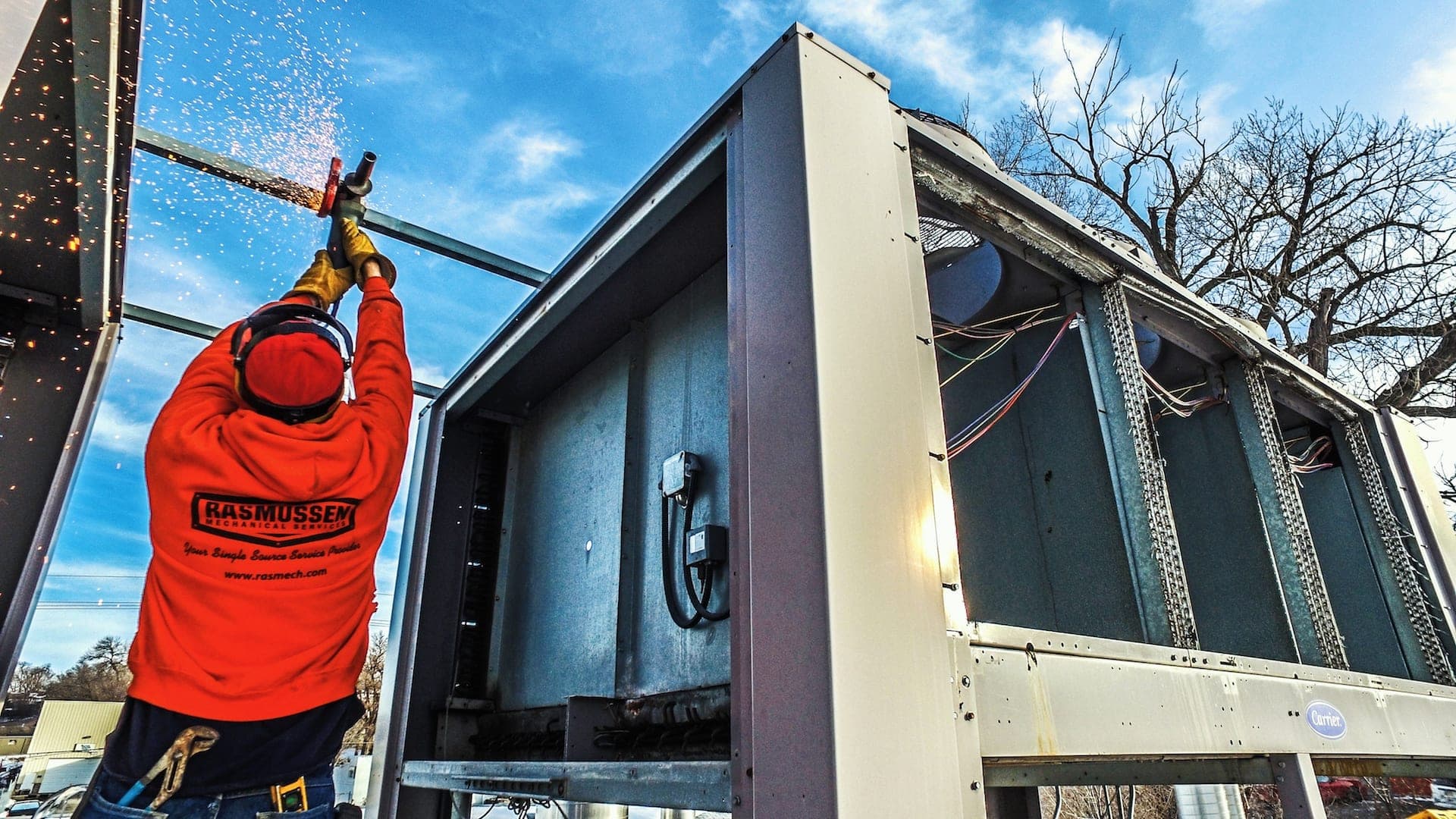
An air-cooled chiller is frequently used in medium-sized to smaller-sized buildings. The design of the chiller, which lacks the need for a bulky cooling tower, makes it very popular. It works by pushing cold water throughout a pipe system in order to cool off the temperature of facility processes. Food processing plants, breweries, and department stores all use these chillers.
What Is The Design Of An Air-Cooled Chiller?
The design of this model of chiller makes it extremely easy to use in facilities. Cold Shot Chillers give a very basic explanation of the design.
Two chillers sit on the roof of the building, attached to the chiller pumps and the main pump. It is possible for the chiller system to be located in the basement, but every situation is different.
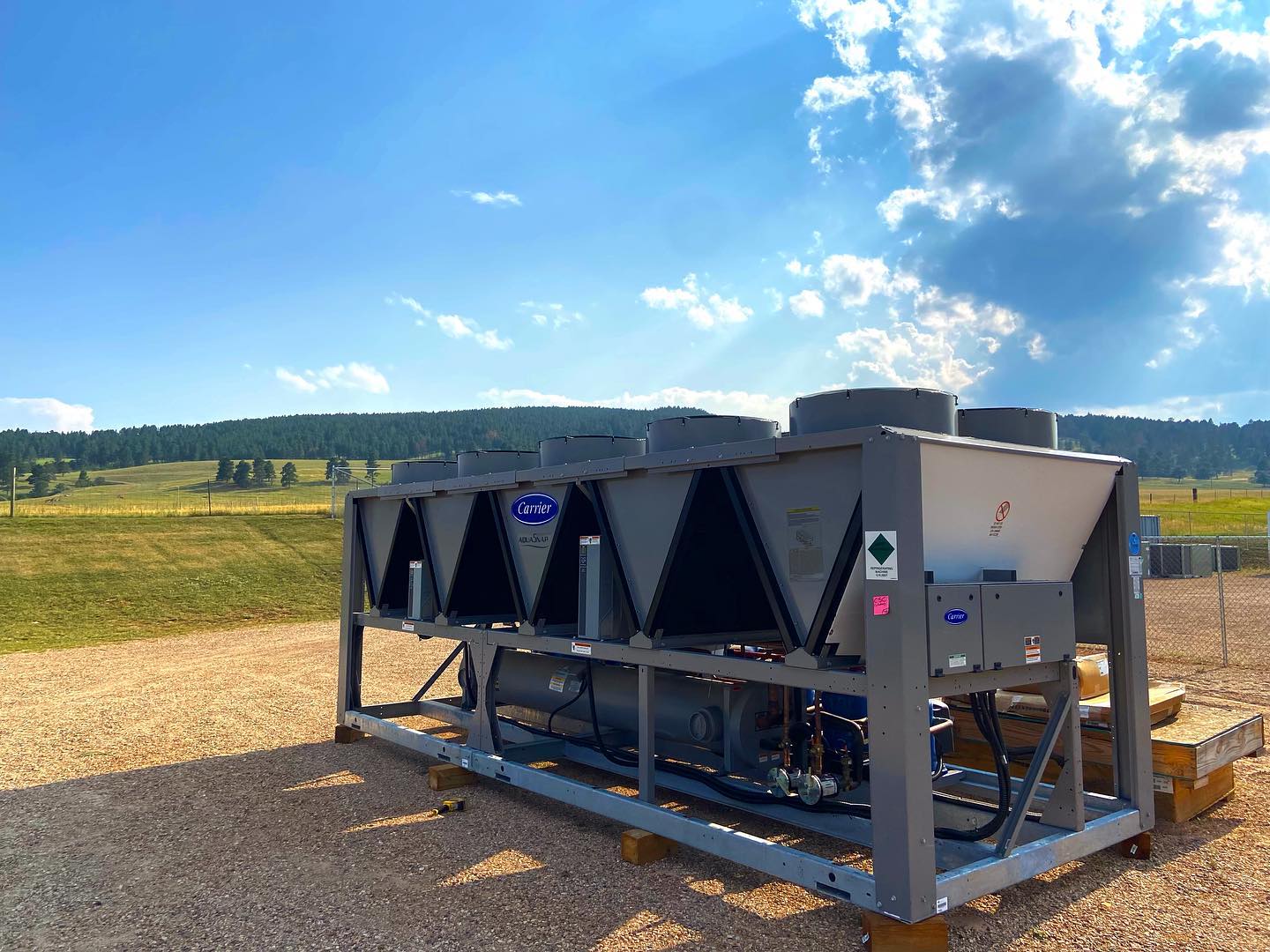
Covering the top of the unit are two condenser cooling fans. This is where the air cooled chiller gets its name. Air circulation created by the fans cools off the hot condenser. The compressor sits at the bottom of the unit and moves the high-pressure refrigerant up to the cooling fans and the condenser. Both the filter drier and the expansion valve sit on the bottom of the unit connected to the evaporator. The evaporator is extremely important in this process. It houses the return water pipes as well as the supply water pipes.
How Does It Work?
The air-cooled chiller has a very unique process. Inside the condenser, the refrigerant cools, and the fans push the air back into the atmosphere. Once the refrigerant leaves the condenser, it goes through connection piping that leads it to the filter drier. The filter dryer cleans up unwanted chemicals or substances that the refrigerant has picked up during its travels around the chiller. The refrigerant passes through the expansion value, where it drops its pressure, and into the evaporator. It finally leaves the evaporator as a low-pressure vapor, entering the compressor and beginning to cycle again.
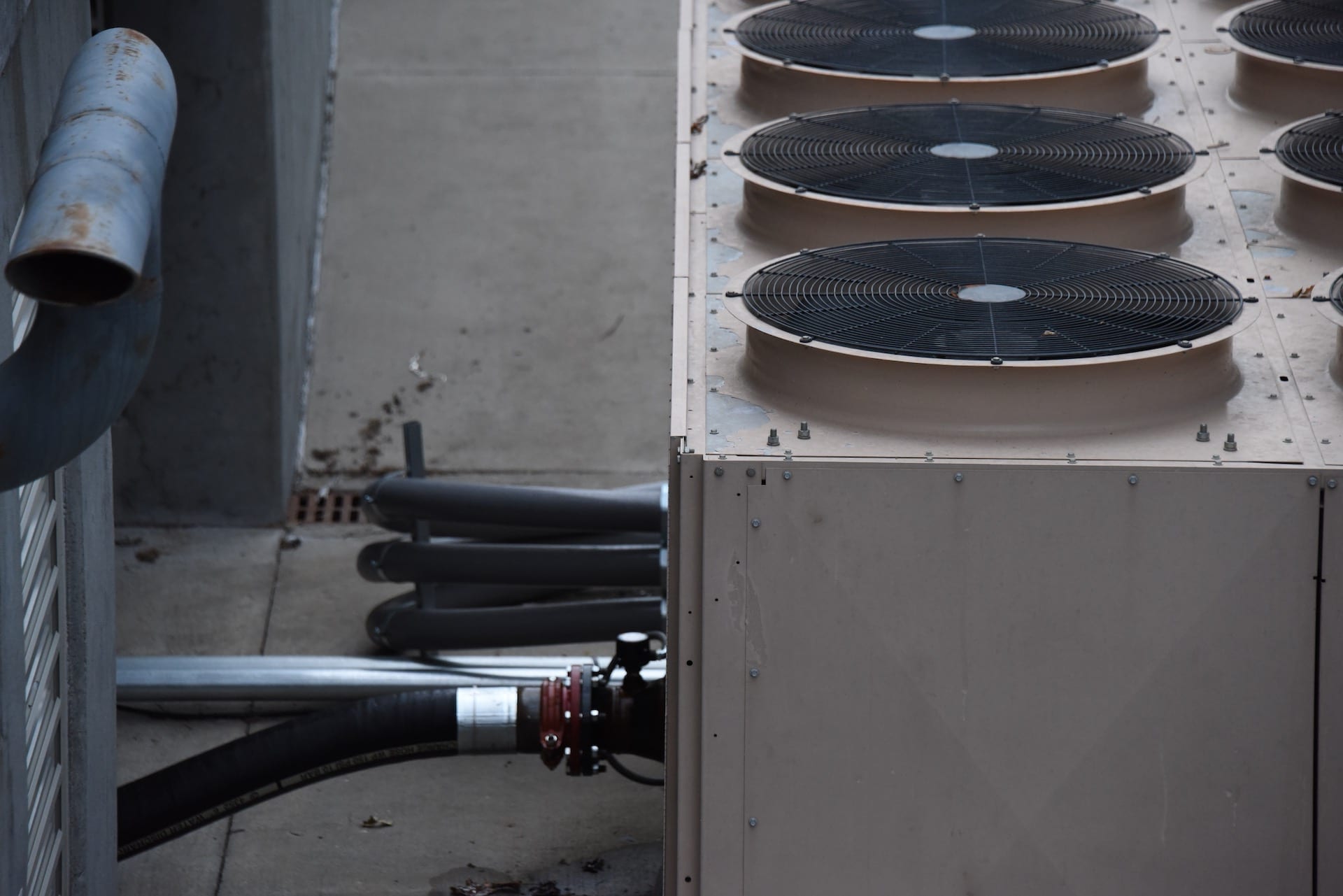 While all of this is happening, supply water is moving through the pipes within the building. Once the cooled water passes through the building, it becomes warm and enters the evaporator. The low temperature refrigerant in the evaporator cools off this water and the water cycles through.
What Are The Air Cooled Chillers Advantages?
As stated before, air cooled chillers remove the need for a cooling tower. Water-cooled chillers rely on cooling towers and drive up maintenance costs. By avoiding this altogether, the air cooled chiller saves money on water treatment, tower maintenance, and even cold weather protection. The ease of location is also a great upside for these chillers. They can run regardless of the weather and take up significantly less space.
Need Help? We’ve Got You!
Rasmussen Mechanical offers chiller services to find out what type of chiller is right for you. From sales and installation to inspections and retrofits, we do it all!