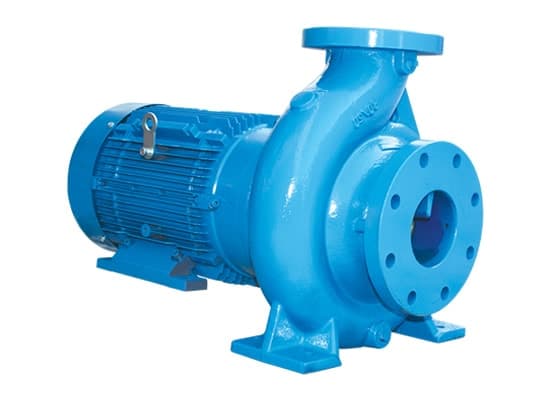
Boiler circulator pumps are an important component of many heating systems. They are responsible for circulating hot water in the system to improve boiler performance.
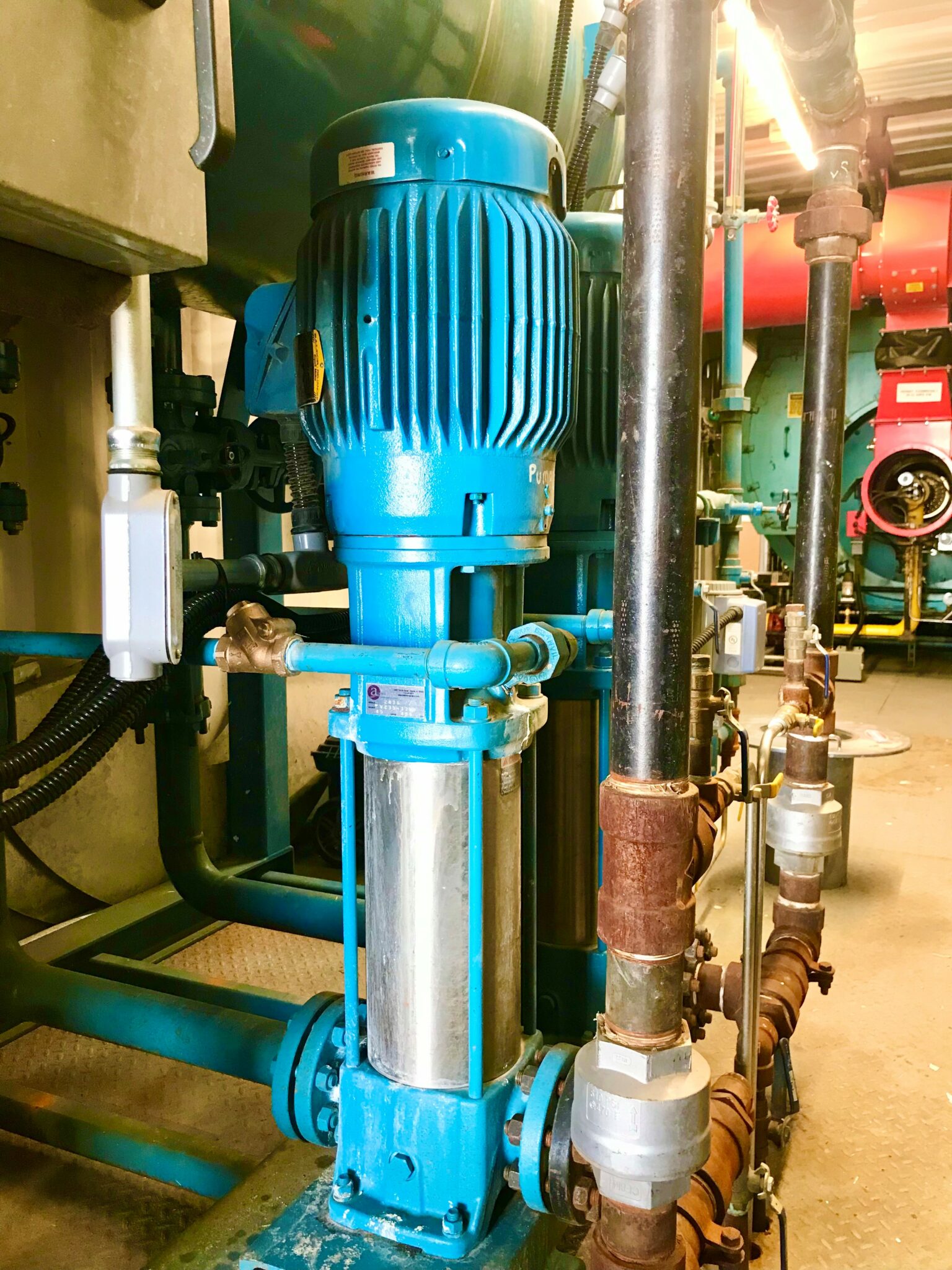 There are a few different types of boiler circulator pumps, each with their own unique characteristics and applications. For example, one popular type of pump is the centrifugal pump, which uses a spinning impeller to generate flow. Another type of pump is the positive displacement pump, which uses a piston or other mechanism to move the fluid through the system.
Factors To Consider When Selecting Boiler Circulator Pumps
One important factor to consider when selecting a boiler circulator pump is its flow rate. The flow rate refers to the amount of water or steam that the pump can circulate through the system per unit of time. In general, the flow rate should be matched to the size of the boiler and the heating system. This way, the pump is able to circulate an adequate amount of fluid to effectively heat the building.
Another important factor to consider is the head pressure. The head pressure refers to the resistance that the pump must overcome in order to circulate the fluid through the system. The length of the pipes, number of elbows, and the height of the building can all effect head pressure. It is important to match the head pressure to the pump so that the pump can work efficiently.
Boiler circulator pumps are usually rated in accordance with the size of the boiler it is to work with. Properly sizing the boiler circulator pump for the job is important for the energy efficiency of the whole system. Smaller pumps will work harder than necessary and larger pumps will be inefficient. It is important to consult with a heating professional to determine the size of pump your boiler requires
Pumps And Controls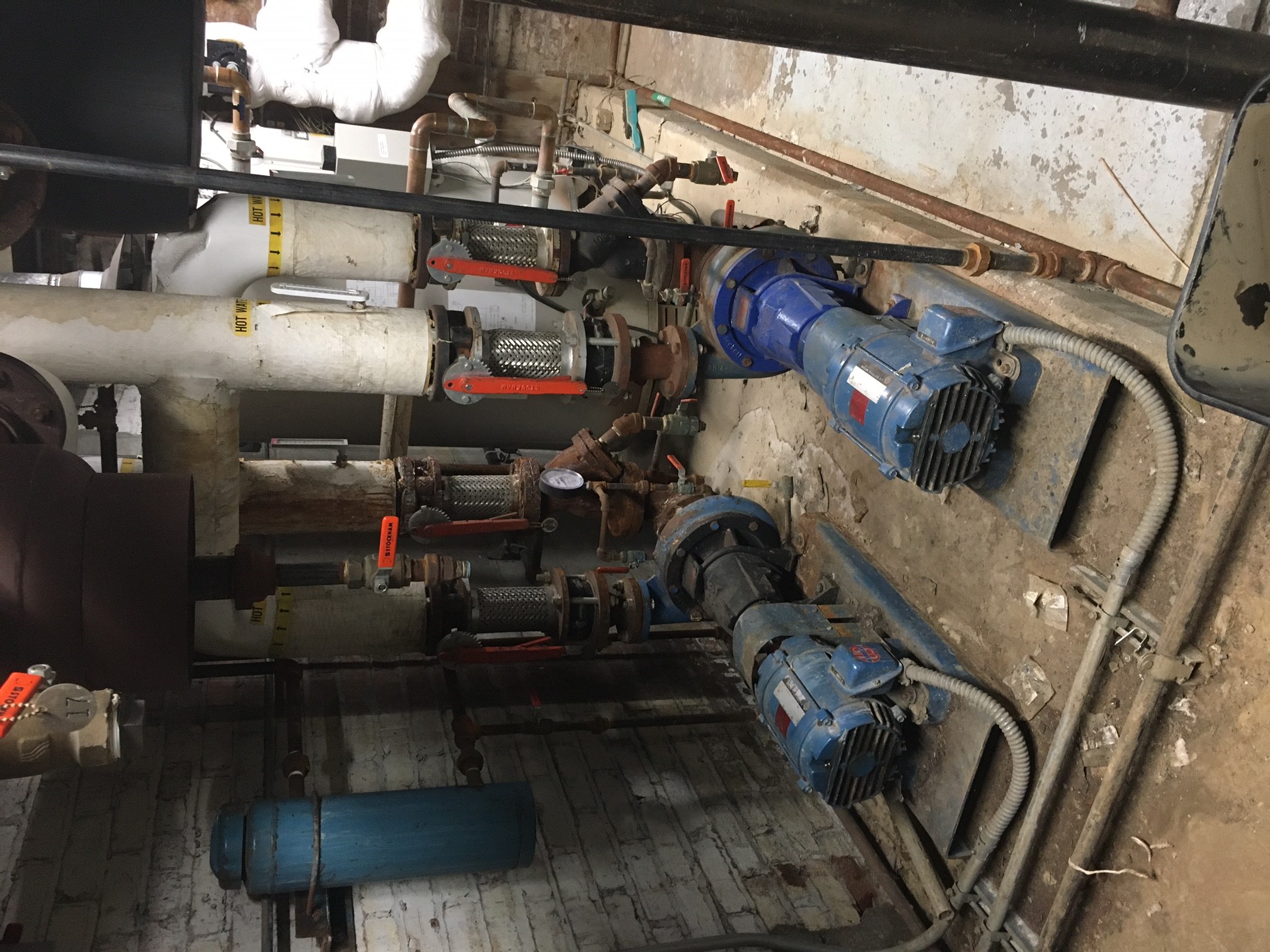
One last important aspect to consider is the type of controls for your boiler circulator pump. Many pumps come with built-in controls. Thermostatic controls, for example, can turn the pump on and off based on the temperature of the water or steam in the system. Others may have external control options, allowing the user to change the speed of the pump depending on the needs of the system.
In conclusion, boiler circulator pumps are an important component of heating systems, responsible for circulating hot water or steam through the system. There are different types of pumps and it is important to match the flow rate and head pressure to the size of the system. Properly sizing the pump, matching control mechanisms and consulting with a heating professional can ensure optimal efficiency and performance of your heating system.