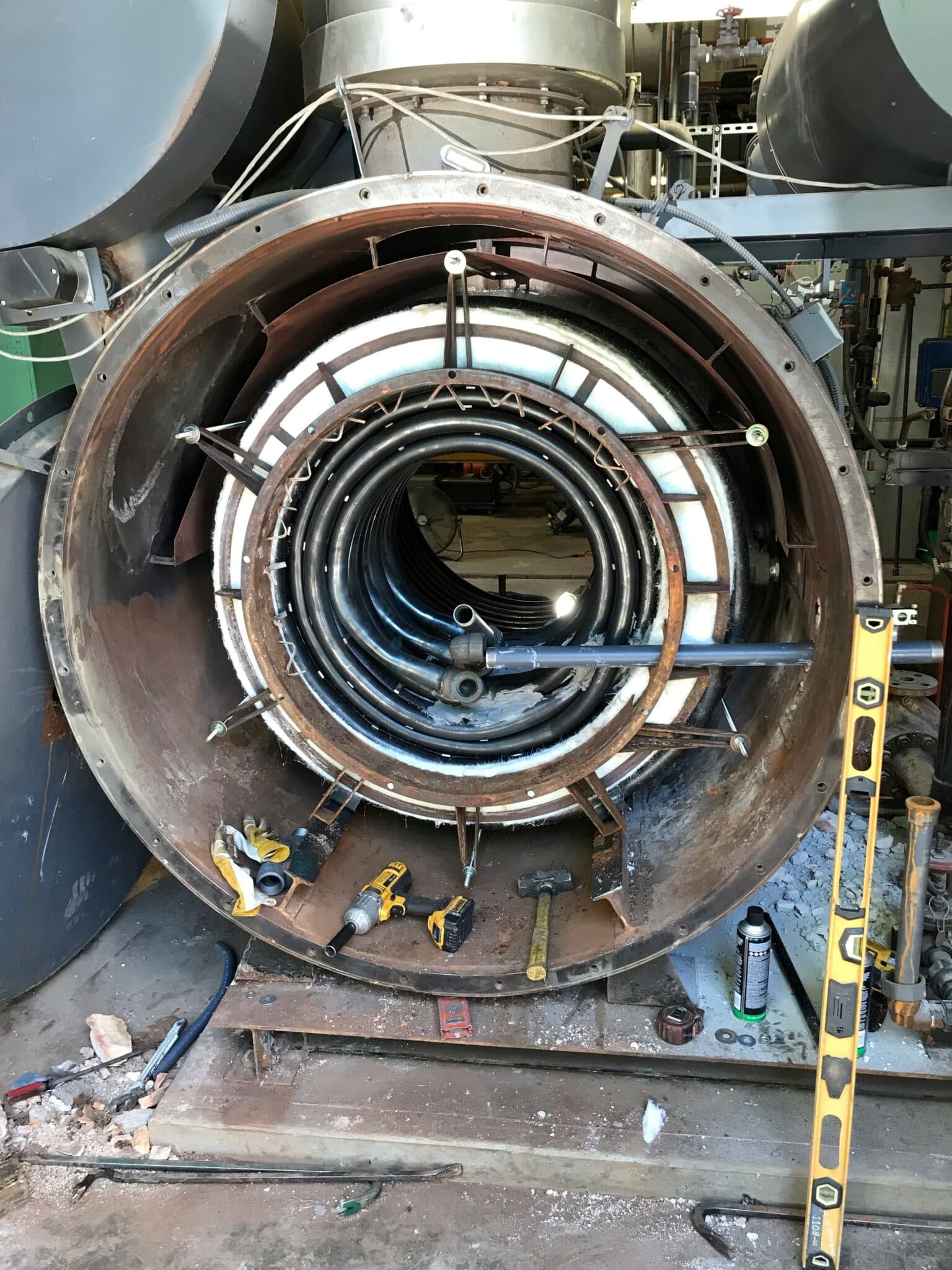
Industrial steam generators play a critical role in many industries, ranging from energy production to chemical manufacturing. These devices use a specialized process to produce steam that can be used for various applications, such as heating, power generation, and sterilization. In this article, we will explore the basics of steam generators, including their design, efficiency, and types. We will also discuss the pros and cons of using steam generators and highlight some of the industries that benefit from their use. By the end of this article, you will have a better understanding of how these systems work and why they are essential for many industrial processes.
What are Industrial Steam Generators?
Industrial steam generators are specialized devices used to produce steam for various applications in education facilities, chemical plants, and food processing. Unlike steam boilers, steam generators utilize a single tube coil instead of many smaller diameter boiler tubes to heat the water and produce steam.
How Do They Work?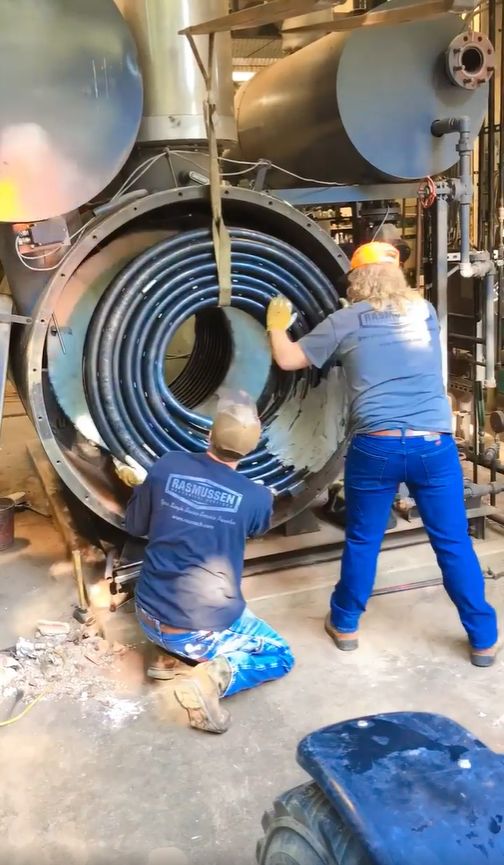
Industrial steam generators work by utilizing a specialized process to heat the feedwater and produce steam. The feedwater is continuously pumped through the single tube coil, where it is heated by a combustion chamber or heating elements. As the feedwater heats up, it is converted into steam and exits the generator for use in various industrial applications.
In order to continuously pump the feedwater through the single tube coil, industrial steam generators use a specialized feedwater pump. This pump is designed to withstand the high temperatures and pressures present in the generator. It is also responsible for ensuring that the feedwater is continuously circulated through the coil, allowing for efficient steam production.
Difference between Steam Generators and Steam Boilers
While industrial steam generators and steam boilers both produce steam, they differ in their design and function. Steam boilers utilize many smaller diameter tubes to heat the water and produce steam, while steam generators use a single tube coil. This design difference results in steam generators having a smaller physical footprint, faster startup time, and lower maintenance requirements than steam boilers.
Another important difference is that steam generators can produce steam on-demand, which means they can be used to meet fluctuating demand for steam. These quick startup times can be extremely beneficial in some applications. Steam boilers, on the other hand, typically require more time to reach optimal steam production levels. They are better suited for continuous, high-demand steam production.
Pros and Cons 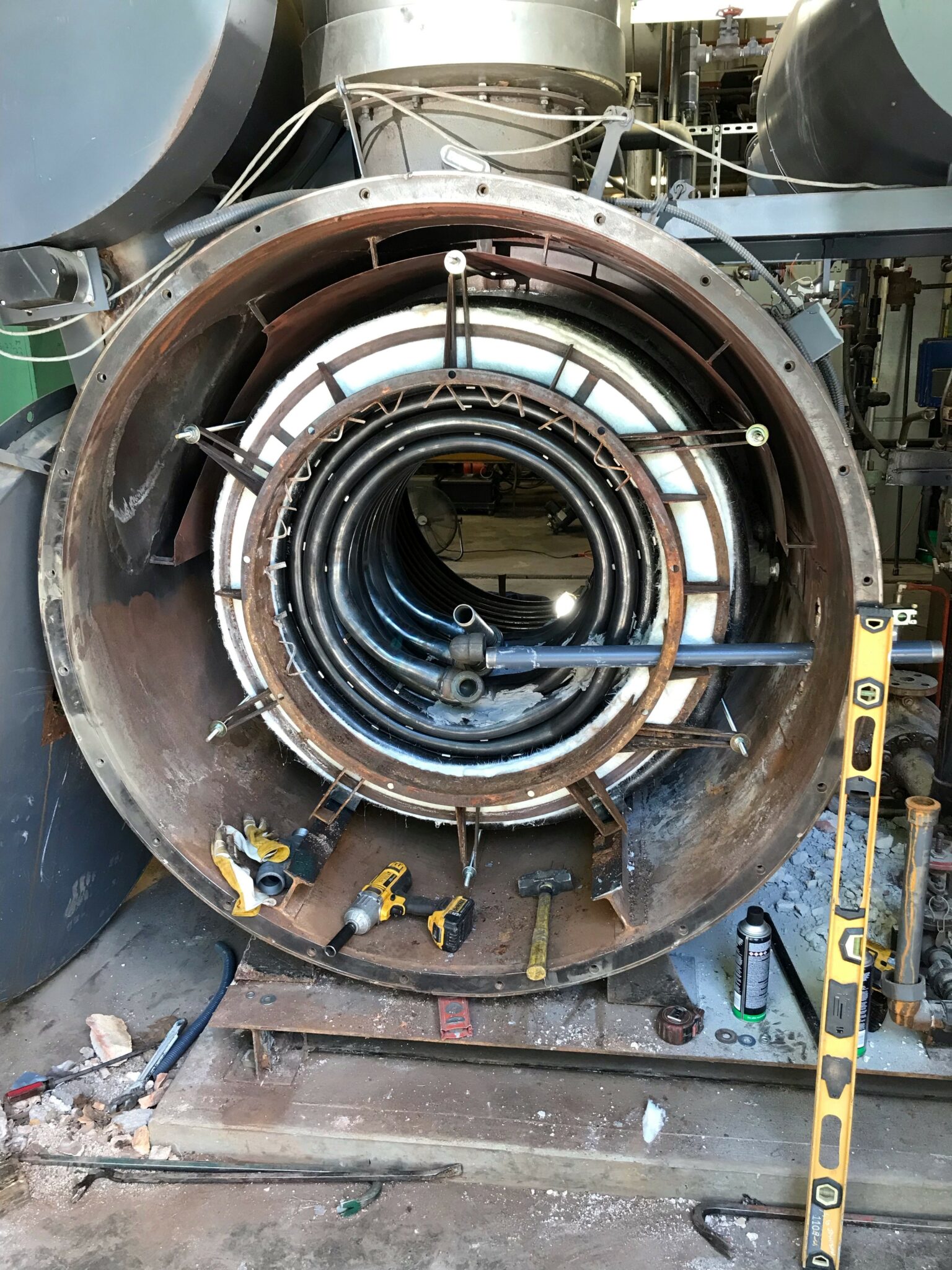
These systems offer several advantages, including high efficiency, low maintenance requirements, and the ability to produce steam on demand. However, there are also potential drawbacks to consider.
Advantages: Low cost, high efficiency, small footprint and ability to produce steam on demand.
Disadvantages: Lower capacity, water purging cycle is required, lower pressures.
Most Efficient Industrial Steam Generators
Efficiency is a key consideration when it comes to industrial steam generators, as it impacts both the cost and environmental impact of steam production. In the context of steam generators, efficiency is defined as the ratio of heat output to fuel input, expressed as a percentage.
Several factors contribute to the efficiency of industrial steam generators. One key factor is design. Steam generators with a well-designed heat transfer system and optimized combustion process can achieve higher levels of efficiency. The fuel type used also plays a role, with cleaner-burning fuels such as natural gas generally resulting in higher efficiency.
Among the various types of industrial steam generators, some are known for their high levels of efficiency. For example, electric steam generators are highly efficient, as they convert nearly all of the electrical energy input into heat energy. They also have a smaller physical footprint than other types of generators and can be used in a wide range of applications.
Conclusion
In conclusion, industrial steam generators are crucial for various industries. While steam generators offer high efficiency and low maintenance requirements, they also cannot meet the steam demands of some facilities. Despite this drawback, industrial steam generators have their applications and place in the steam generation industry. As technology advances, steam generators continue to improve in efficiency and effectiveness.