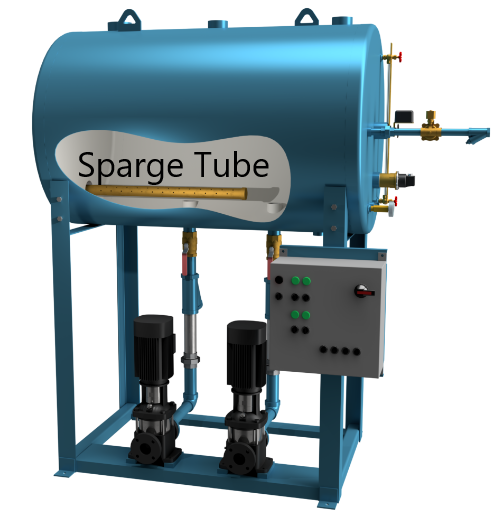
Many facilities will have a feedwater tank they used to handle condensate returns and feedwater. Depending on amount and temperature of these returns you may need to add heat in the form of steam. This preheats the water before it enters the boiler and prevents thermal shock. These tanks will do this by utilizing a sparge tube.
 What Is A Sparge Tube?
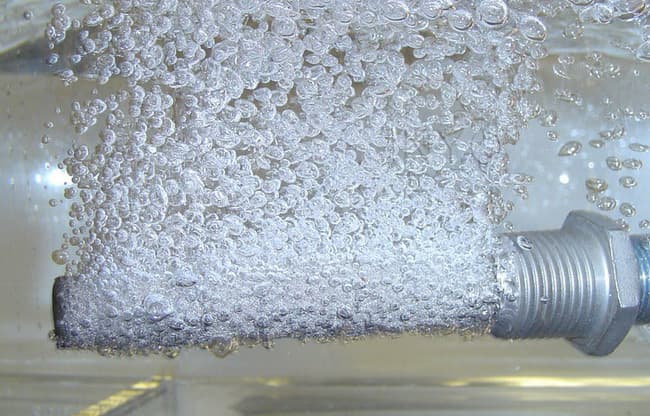
The sparge tube itself runs the length of the feed tank and is a hollow tube with holes drilled periodically throughout it. Sparge tubes are designed to inject steam directly into the feedwater and condensate returns. They are positioned below the surface of the water in the tank. By injecting steam, feedwater temperature increases and some of the dissolved gasses get driven out of the water.
Another benefit is that it reduces the noise by only allowing the steam to come out of small holes. As a result, the bubbles under the surface of the water are small and don’t generate much noise. If you were to instead, directly injecting steam below the waters surface, large bubbles would be present. This creates a much louder boiler room.
How A Preheating System Works
As mentioned above the sparge tube is generally part of a preheating system for your feedwater tank. So how does this system know how much steam should be released to preheat the water effectively?
The preheating system will use a temperature controls gauge that will measure the temperature of the water in the tank. As the temperature goes below a certain set point, the temperature control gauge will signal to a steam valve. This signal will cause the steam valve to open and shut. This regulates the amount of steam that enters the sparge tube based on the demand. Contact us today to for all of your industrial and commercial boiler needs!