If your facility runs steam — for heating, manufacturing, food processing, pharmaceuticals, or industrial processes — there is a near-certain chance you are losing thousands of dollars every year and don't know it. A professional steam system audit is the single fastest way to find those losses, quantify them in dollars, and prioritize fixes that pay back in under a year.
This guide covers everything you need to know about steam system audits: what they include, how much energy you're likely losing, the different types of audits available, and how to prepare for one. If you're ready to schedule an assessment for your facility, contact us at 800-237-3141.

What Is A Steam System Audit?
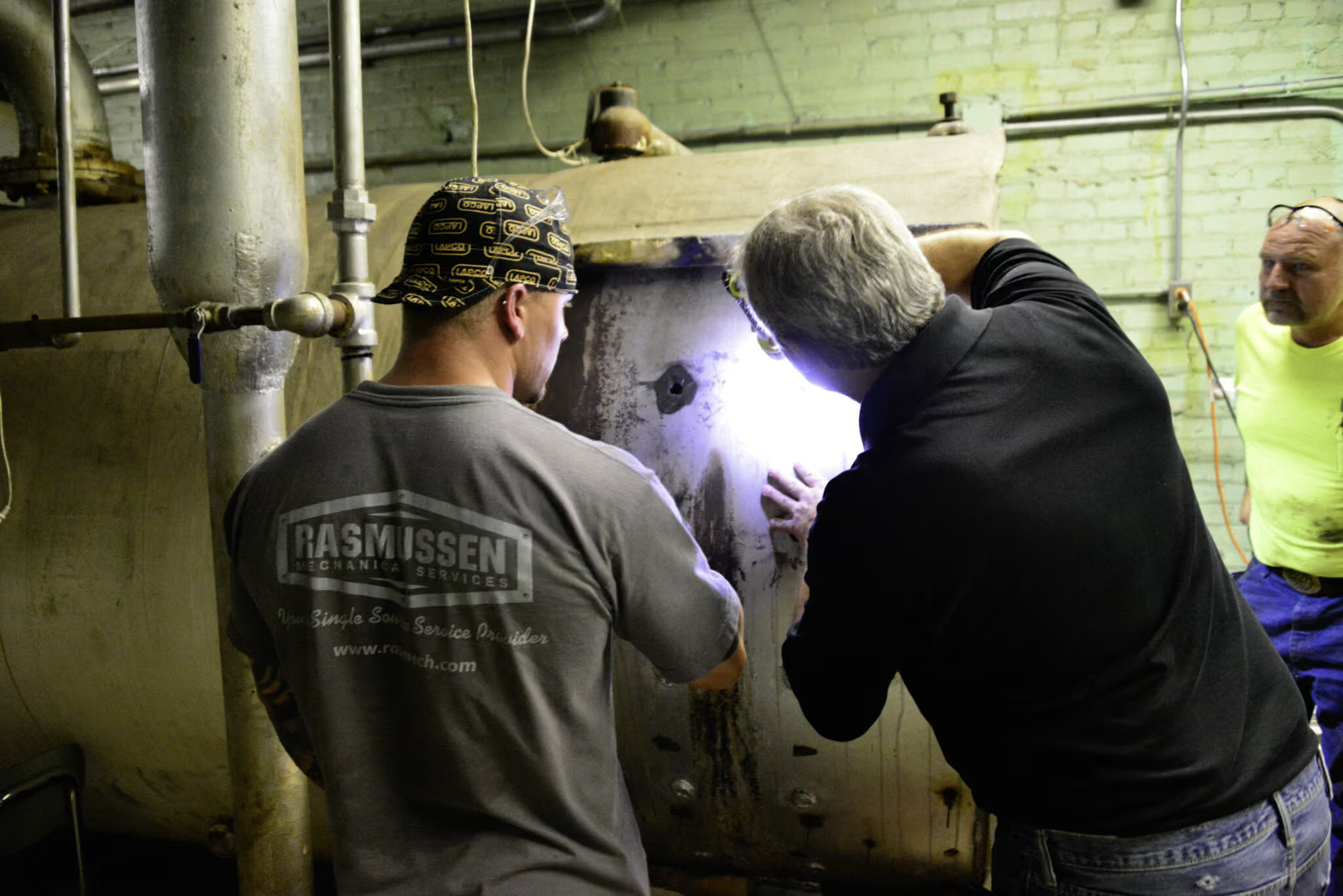
A steam system audit is a structured, on-site inspection of your entire steam and condensate infrastructure — from boilers and burners to piping, steam traps, condensate return lines, and beyond. The goal is to identify every point where energy is being wasted, safety is compromised, or reliability is at risk.
Unlike a routine maintenance check, a steam system audit is a comprehensive engineering evaluation. It results in a detailed report that quantifies losses in dollars, identifies code compliance issues, flags safety hazards, and provides a prioritized action plan with estimated costs and savings for each recommendation.
 Why Do Steam Systems Lose So Much Energy?
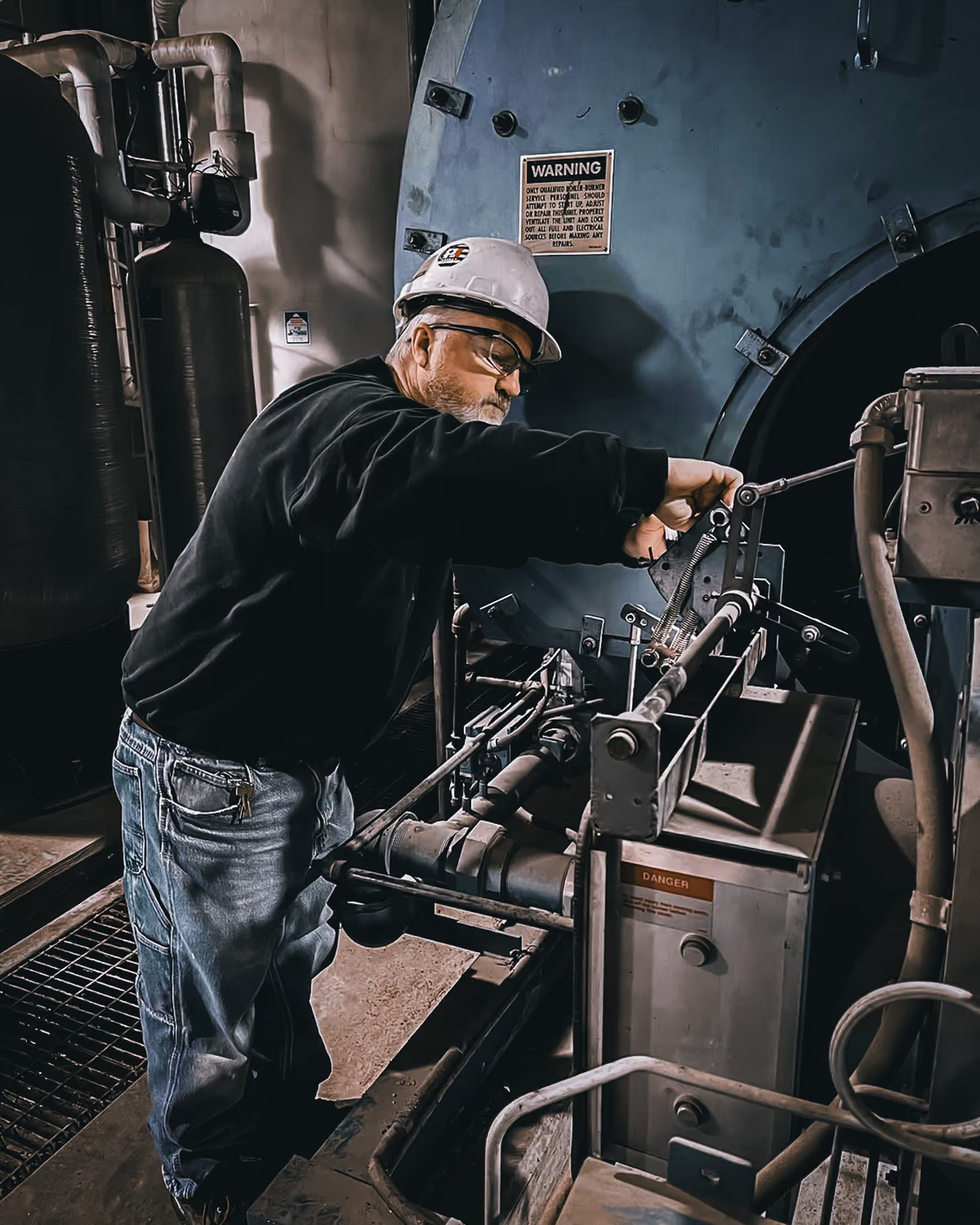
Steam systems have temperature, pressure, and load shifts constantly. Without regular inspection and maintenance, small problems compound quickly:
Failed steam traps pass live steam directly into the condensate return, creating constant energy waste.
Uninsulated or under-insulated piping radiates heat into the ambient air 24/7.
Steam leaks — often invisible to the naked eye — waste condensate, increase makeup water treatment costs, and create safety hazards.
Deaerator and feedwater system problems cause oxygen-induced corrosion, shortening equipment life and increasing maintenance costs.
Improper pressure settings force boilers to operate at higher pressures than needed, burning more fuel than the process requires.
The DOE on Steam Trap Failure The U.S. Department of Energy estimates an annual steam trap failure rate of approximately 5% in systems without active maintenance programs. In systems that have gone 3–5 years without attention, 15–30% of traps may have failed. A single 150-psi trap failed open — leaking at 48 lbs/hr — wastes approximately $7,000 in steam per year |
 Types of Steam System Audits: Which One Does Your Facility Need?
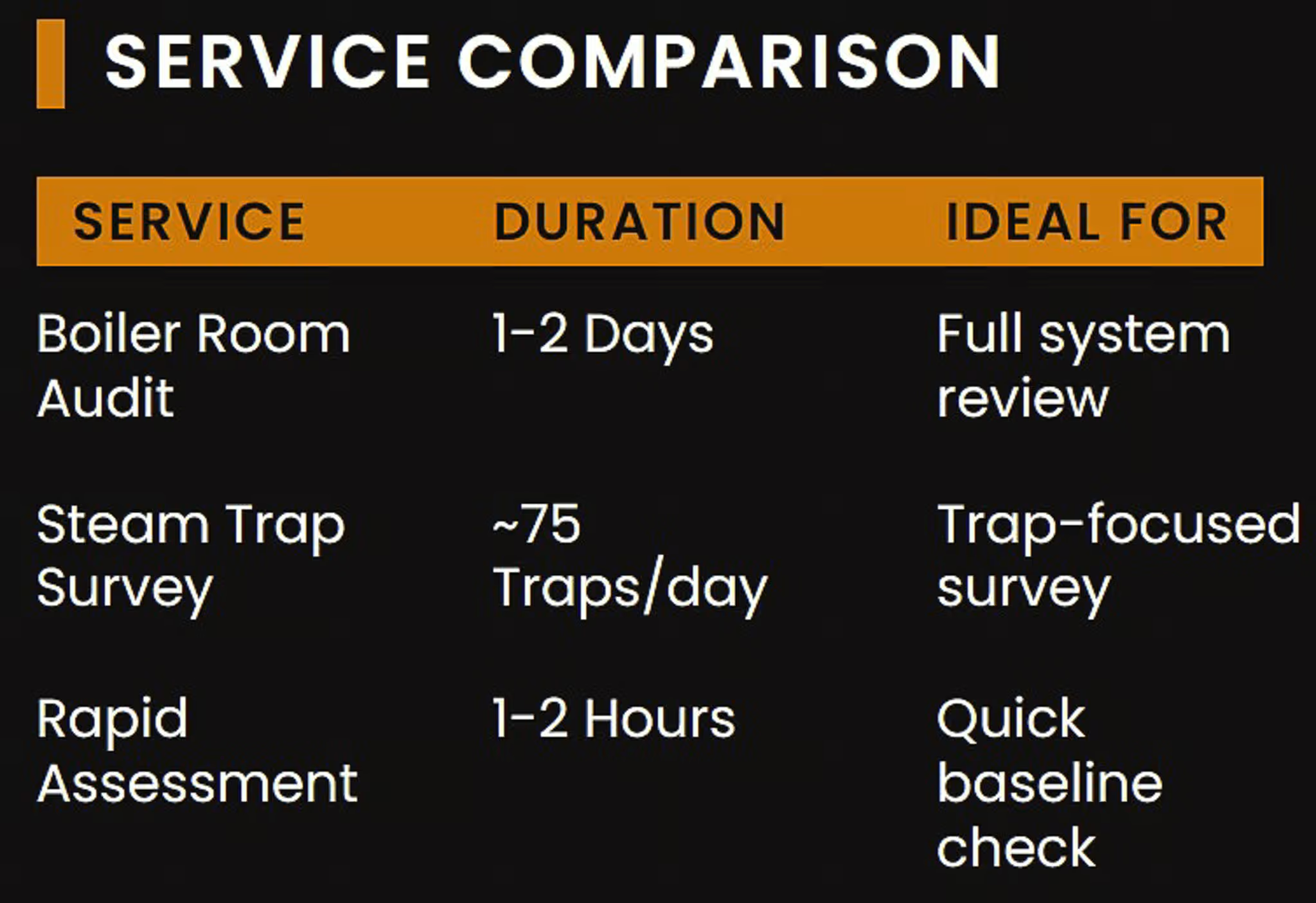
Not every facility needs the same level of scrutiny. Rasmussen Mechanical offers three assessment service tiers to match your situation and budget:
1. Boiler Room Audit — Comprehensive Evaluation
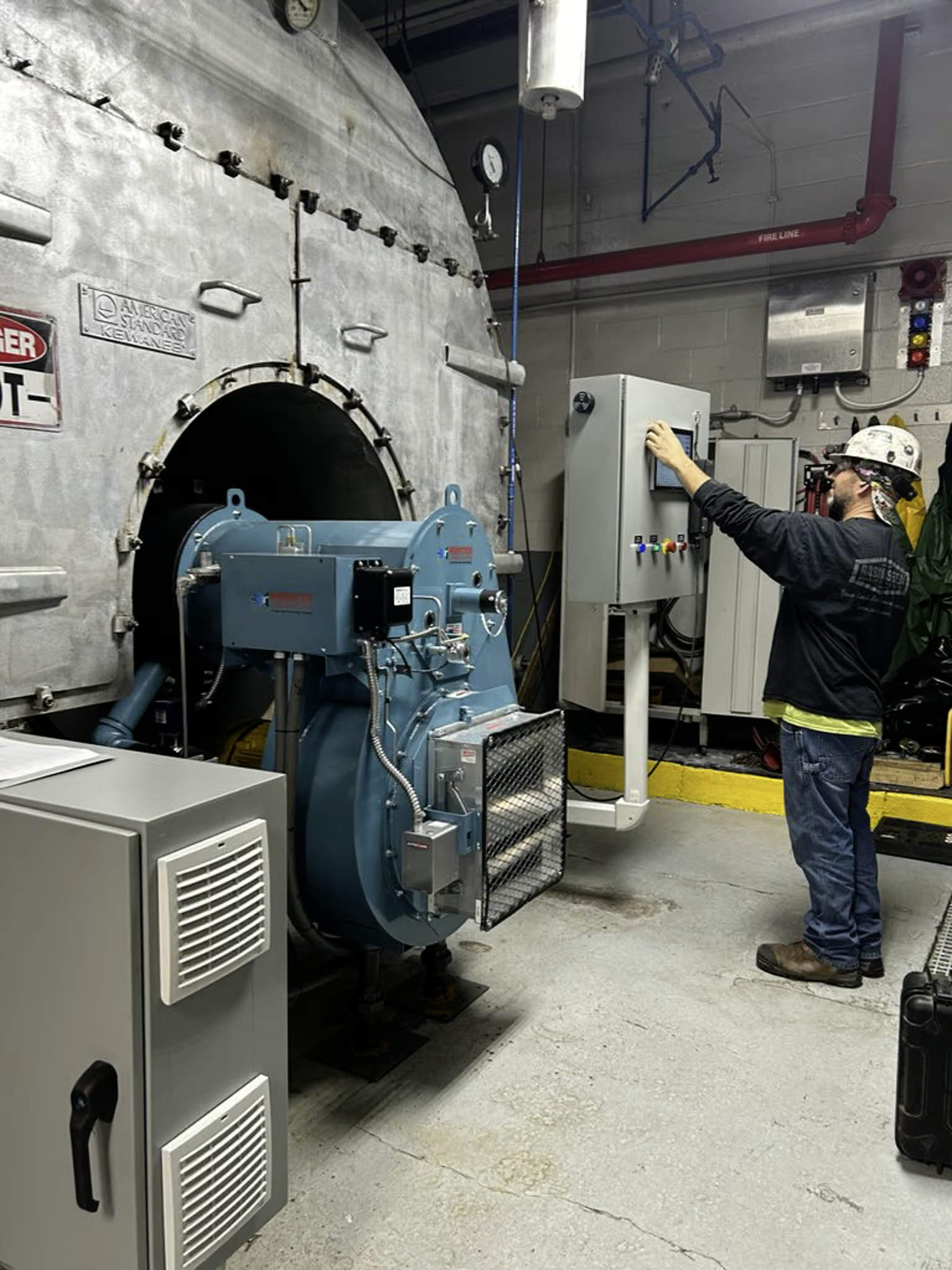
The most thorough service Rasmussen Mechanical offers, the Boiler Room Audit, is a 1–2 day on-site engineering evaluation of your entire steam infrastructure. It covers every major system component, and results in a detailed written report delivered within 1–2 weeks.
Systems reviewed during a Boiler Room Audit:
• Boilers, burners, and combustion controls
• Deaerators and feedwater treatment systems
• Steam distribution and pressure management
• Condensate recovery and return systems
• Safety devices and operating practices
Deliverables include a complete equipment inventory and condition summary, code compliance issues identified, safety, reliability, and efficiency risks, energy conservation measures with savings estimates, and a prioritized recommendations list with budget guidance.
2. Steam Trap Survey — Trap-by-Trap Testing
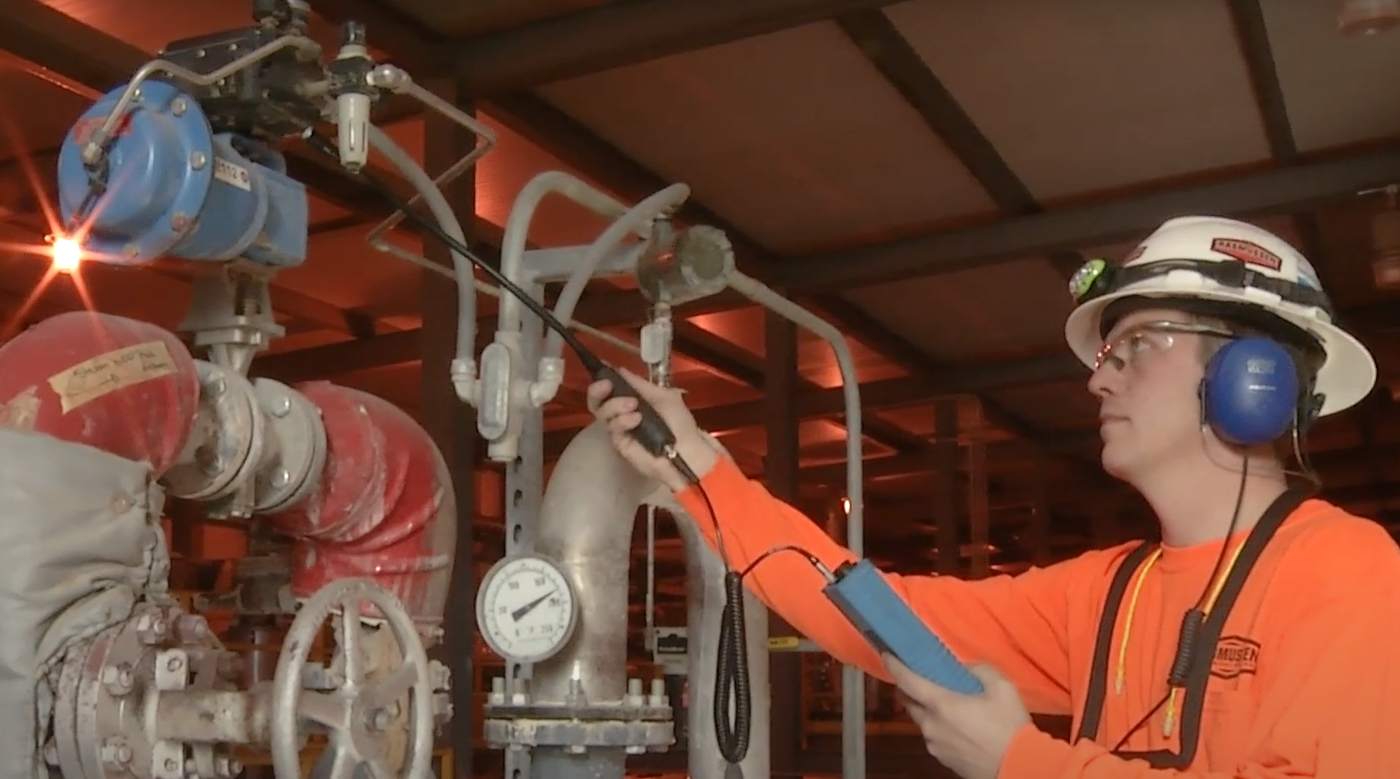
The Steam Trap Survey is conducted by a certified ultrasonic technician who tests and documents every steam trap in your system. At a rate of approximately 75 traps per day, each trap is evaluated for failure mode — failed open (blowing live steam), failed closed (blocking condensate), or operating correctly.
Every trap is documented by location, type, condition, and recommendation. Results are delivered in both PDF and Excel formats for easy integration with your maintenance management system.
• Failed trap identification by type and severity
• Replacement recommendations with prioritization
• PDF and Excel reports for maintenance records
• Optional add-on: leak detection for vacuum, compressed air, and natural gas systems
3. Rapid Steam Assessment — 1 to 2 Hours
The Rapid Steam Assessment is a high-level walkthrough designed to give facility managers a fast, informed baseline. In one to two hours on-site, a Rasmussen Mechanical engineer identifies the most obvious losses, safety concerns, and efficiency gaps. You receive a summary email documenting what was observed and a recommendation on whether a deeper assessment is warranted.
Ideal for: Facilities new to steam system management, sites that want a quick sanity check before budget season, or operations considering whether a full audit is justified.
 Optional System Reliability Add-On Services
Rasmussen Mechanical's assessment services can be expanded with additional diagnostic capabilities:
• Compressed air leak detection
• Natural gas leak survey
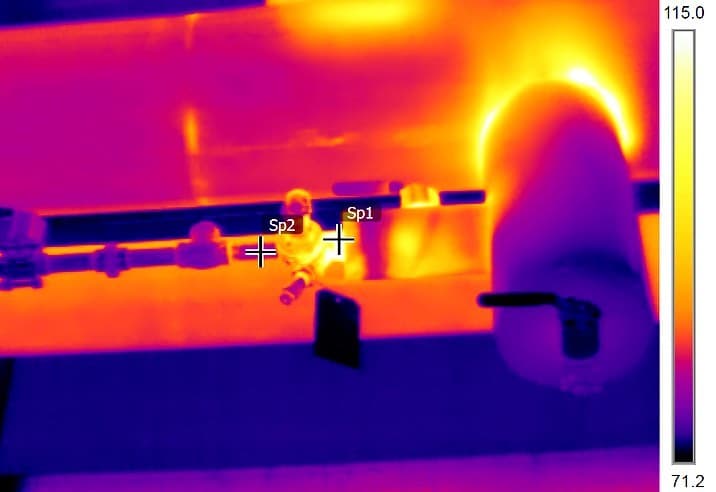
• Infrared thermal imaging inspection
What to Expect from Your Steam Audit Report
A professional audit is only as valuable as the report it produces. Rasmussen Mechanical's assessment reports are designed to support capital planning, insurance reviews, and maintenance prioritization. A high-quality steam system audit report includes:
• Equipment inventory with condition ratings
• Identified code compliance issues
• Safety, reliability, and efficiency risks ranked by severity
• Energy loss calculations for each deficiency — in BTUs and dollars
• Energy conservation measures (ECMs) with estimated savings and implementation costs
• Payback period calculations for each recommended repair
• Photographic documentation of problem areas
• Prioritized action plan with budget guidance
How to Prepare for a Steam System Audit
 Getting the most out of your assessment starts before the auditor arrives. RasMech recommends gathering the following in advance:
• Utility bills (gas and electric) from the past 12 months
• System drawings or P&IDs, if available
• Operating schedules and seasonal variations in steam demand
• Notes on any known problem areas, recent repairs, or recurring issues
• List of steam trap locations and any existing trap survey data
The more context a technician has about your system's history and known issues, the more productive the on-site time will be. Facility operators with hands-on knowledge of the system should plan to walk the plant with the auditor — their insight is invaluable.
How Often Should You Schedule a Steam System Audit?
The DOE recommends annual steam trap surveys for most industrial plants, and semi-annual surveys for high-usage facilities. For facilities that have never had a formal assessment, or have not had one in three or more years, a Boiler Room Audit provides the most comprehensive baseline.
After the initial audit, an annual Steam Trap Survey keeps failure rates in check and ensures that the gains from your first assessment are maintained. DOE Expert Energy Savings Assessments have identified up to $1 million in savings at single facilities — savings that are only realized if the system stays maintained.
The Case for Scheduled Maintenance Steam accounts for approximately 37% of all fossil fuel burned in U.S. industry. With a scheduled maintenance program, steam trap failure rates can be held below the 5% annual threshold. Without one, failure rates of 15–30% are common — and the financial losses compound every year. |
The ROI of a Steam System Audit
Steam system audits consistently deliver some of the fastest payback periods of any energy efficiency investment. Typical repair payback periods are under one year. DOE-backed assessments have identified up to $1 million in annual savings at single large facilities. For a mid-size industrial plant with 250 steam traps and no recent maintenance program, $91,000+ in annual trap losses alone may be recoverable — without any capital equipment replacement
Frequently Asked Questions About Steam System Audits
 How long does a steam system audit take?
The duration depends on the audit process and scope. A Rapid Steam Assessment typically takes 1–2 hours for a high-level walkthrough. A Steam Trap Survey involves detailed testing of approximately 75 traps per day. A comprehensive Boiler Room Audit requires 1–2 full days on-site, followed by delivery of a comprehensive report within 1–2 weeks.
How much does a steam system audit cost?
Costs vary based on facility size, system complexity, and the extent of the audit. However, the investment in a steam system audit almost always pays back quickly by helping reduce energy costs and maintenance time. Most facilities recover the audit cost many times over within the first year through improved system performance and lower operating costs. Contact RasMech at 800-237-3141 for a customized quote tailored to your plant steam system.
What if I only want to check the steam traps?
A Steam Trap Survey is specifically designed for this purpose. RasMech’s certified ultrasonic and infrared thermography technicians will evaluate every steam trap in your system, identifying failed open or closed traps that cause energy losses and operational issues. The detailed findings are provided in PDF and Excel formats to support maintenance planning. Optional add-ons include leak detection for vacuum, compressed air, and natural gas systems to optimize overall system reliability.
Do I need system drawings before scheduling an audit?
While system drawings and P&IDs are helpful for planning, they are not required. RasMech auditors conduct the audit process through direct on-site inspection of the entire system, including piping, vessels, and heat transfer surfaces. Having drawings available can improve the efficiency of the audit and help identify potential areas for improvement, but the audit team is fully equipped to generate a complete equipment inventory and condition assessment without them.
Can a steam system audit uncover safety issues?
Absolutely. Safety is a critical component of the audit process. A Boiler Room Audit evaluates safety devices, operating practices, and code compliance to identify hazards such as failed relief valves, improper low-water cutoffs, and corrosion on vessels and piping. Addressing these issues not only improves system reliability but also protects personnel and reduces environmental concerns.
Conclusion
A professional steam system audit is an essential investment that can significantly reduce energy consumption, lower operating costs, and extend the life of your steam and condensate systems. With our extensive experience and expertise, Rasmussen Mechanical Services is committed to helping you identify hidden inefficiencies, improve system performance, and achieve substantial cost savings. Don’t let energy losses and maintenance issues drain your resources—contact the steam experts at Rasmussen Mechanical Services today to schedule your comprehensive steam system audit and start realizing the benefits of optimized steam system operation.