A proper steam system inspection isn’t just a box to check; it’s a crucial practice to prevent costly downtime, system failures, and safety incidents. This guide breaks down the most critical steam system inspection steps plant managers, boiler operators, and facility maintenance teams should perform.
Why Steam System Inspections Matter
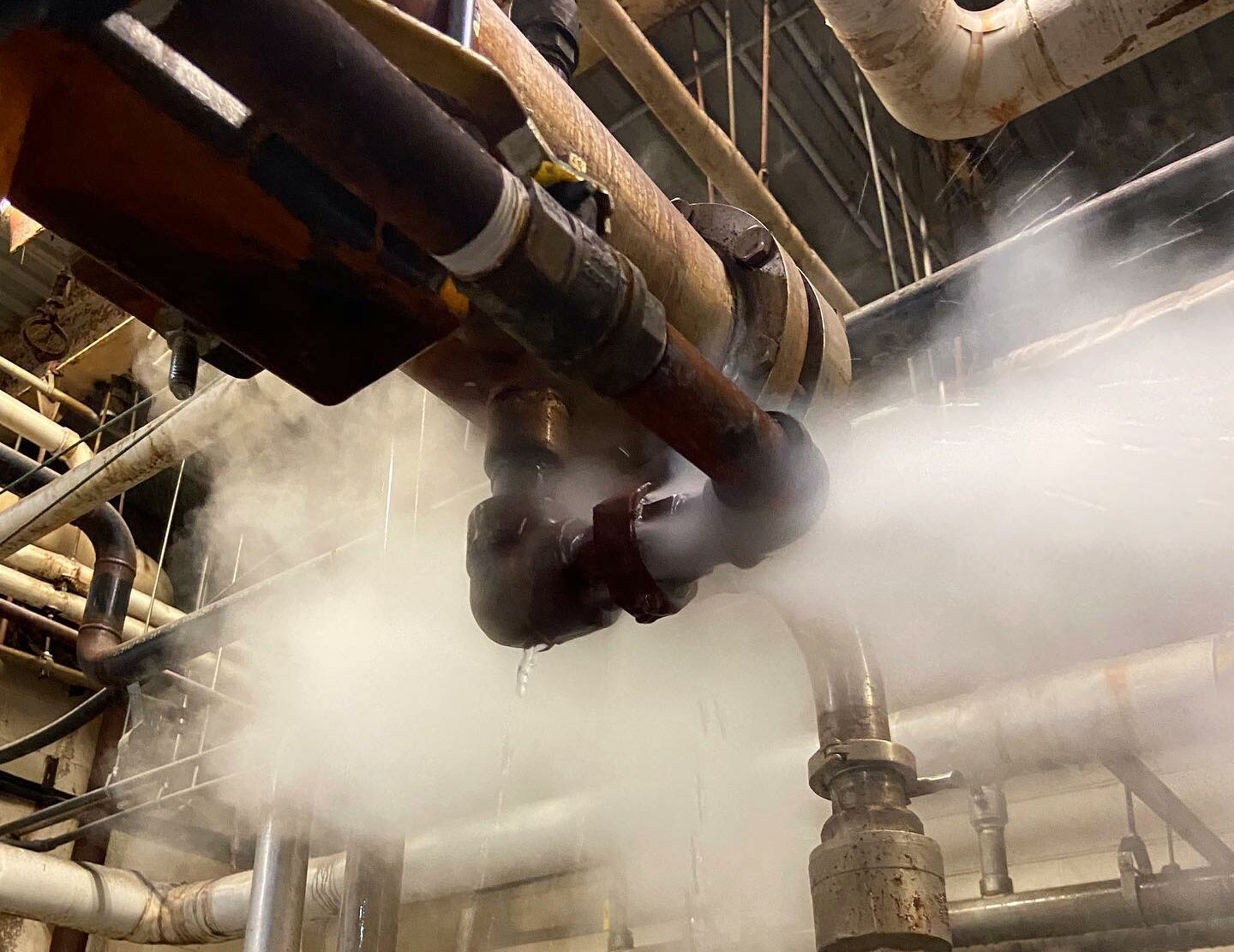
Steam systems contain high-pressure, high-temperature components with massive amounts of stored energy. While boiler inspections often get attention, it’s the non-fired vessels — like condensate return tanks and deaerators — that are more frequently involved in catastrophic failures.
In many cases, the warning signs are already present — they’re just not being caught:
Recurring leaks or pressure fluctuations
Spikes in condensate return temperature
Orange-tinted sight glasses (often a sign of corrosion)
Equipment behavior that seems “normal” but isn’t
Ignoring these indicators could lead to an expensive — or dangerous — failure.
Steam System Inspection: 8 Critical Areas to Monitor
1. Internal and External Pressure Vessel Inspections
Inspect vessels annually (at minimum) or during planned shutdowns.
Look for pitting, wall thinning, and evidence of poor past repairs.
Use ultrasonic thickness testing (UTT) to identify weak areas early.
2. Condensate Return System
Check for pinhole leaks on the top of pipes — a telltale sign of oxygen corrosion.
Log return temperatures. Sudden changes may indicate trap failures or water chemistry problems.
Stainless steel may delay corrosion but won’t solve underlying water quality issues.
3. Deaerator Performance and Components
Ensure condensate is returning through the correct port to allow proper deaeration.
Watch for excessive steam blowoff or vapor “puffing” — often a sizing or control problem.
Inspect trays, spray nozzles, and steam control valves during scheduled maintenance.
4. Safety Relief Valves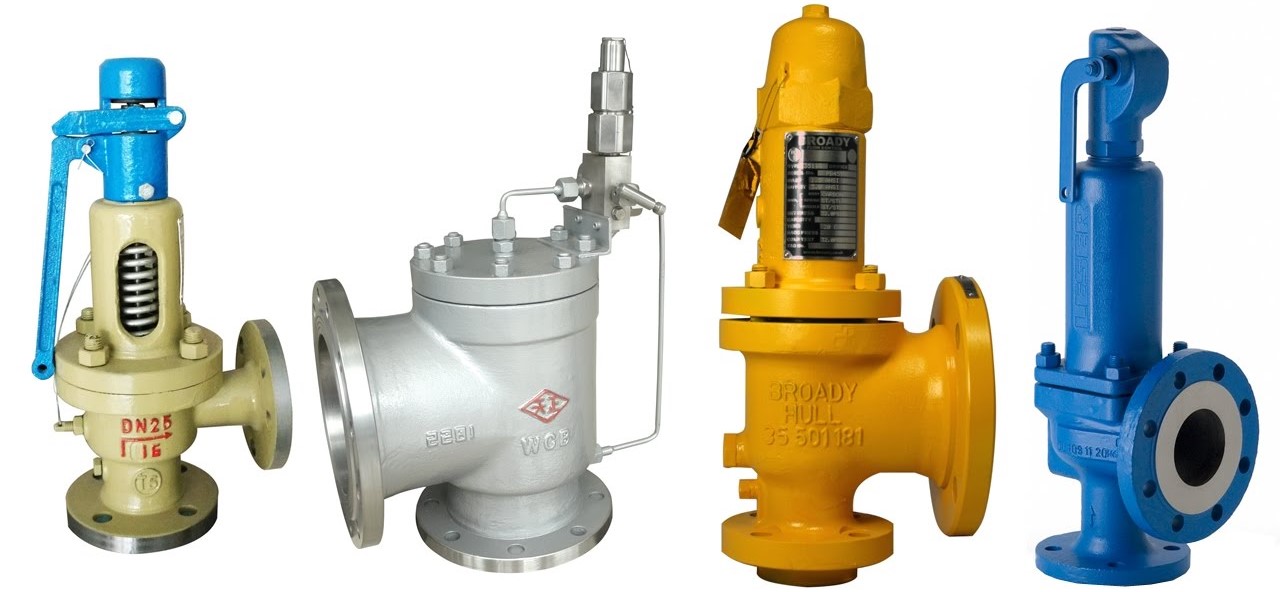
Rebuild and test safety relief valves every 12 months.
Ensure relief valves are properly sized for both the main line and any bypasses.
Keep valid VR-stamped documentation available for inspectors and insurers.
5. Pressure Reducing Valves (PRVs)
Verify PRVs maintain stable pressure and reset properly after surges.
Check for delayed pressure drops during high makeup demand — it may disrupt deaeration.
Replace PRVs showing drift or sticking under load conditions.
6. Control Instrumentation
Regularly inspect pressure and temperature gauges for accuracy.
Investigate inconsistencies, especially during peak demand or makeup water cycles.
Orange-tinted sight glasses are often a sign of iron leaching — a corrosion red flag.
 7. Blowdown and Drain Systems
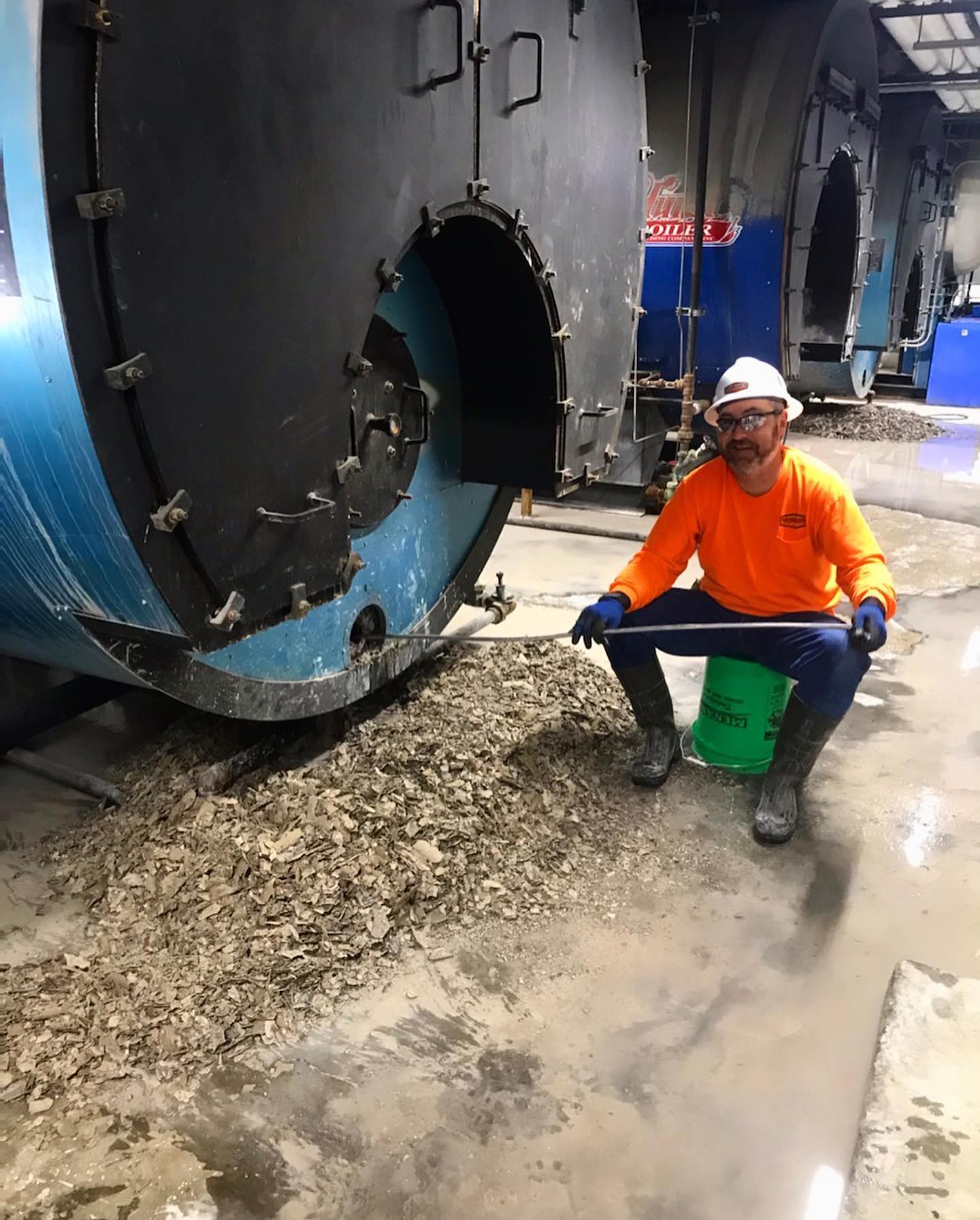
Routinely blow down condensate tanks, deaerators, and boilers to remove sediment.
Ensure control lines and sight glasses aren’t plugged by sludge buildup.
Validate low-point drains are functioning correctly to prevent false level readings.
8. Documentation and Daily Logs
Track temperature, pressure, oxygen levels, water hardness, pH, and fuel usage.
Look for trends that deviate from baseline — they often signal hidden issues.
Train staff to log accurately and investigate anomalies — not just fill out forms.
Click Here For A Downloadable Checklist
Bonus Tip: Don’t Skip 3rd Party Inspections
Even well-trained teams can miss things they see every day. That’s why bringing in a third party for a steam system inspection — even just once a year — can catch issues that in-house teams overlook. It’s a small investment with big payback in uptime and safety.
Final Thoughts: Steam System Inspection
A smart steam system inspection plan isn’t just about staying compliant — it’s how you stay ahead of failures, protect your people, and keep production moving.
If your team needs help developing or performing a thorough steam system inspection, Rasmussen Mechanical Services can help. Contact us to schedule an audit or inspection.